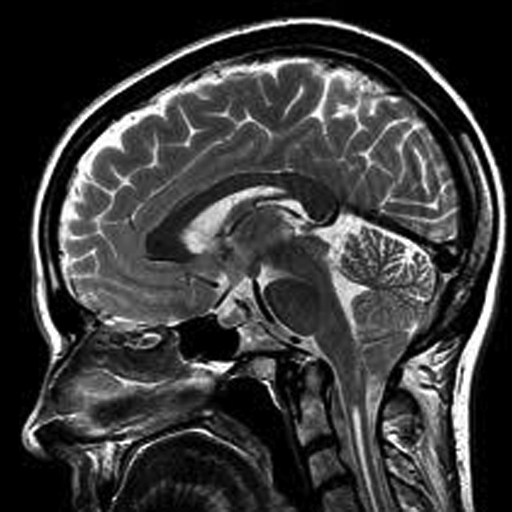
 Organization of the motor system
What do we mean by “motor program” and by learning a motor skill? The central nervous system does not define in detail the displacement of the effectors (muscles), the rotations of the joints, the muscular forces, the joint pressures and the muscular activations, therefore the term engram or neuronal representation seems to provide a better indication (given the current knowledge ) of how the central nervous system codes for purposeful voluntary movements and has no relation to involuntary (automatic) movements.
Reference to “Biomechanics and motor control – defining central concepts” M.L. Latash and V.M. Zatsiorsky, 2016.
The means available to study the different functional aspects of the motor system are rather ineffective in defining a precise location of all the sub-components of the system itself. Once again the detailed study of the activity of single motor units or of the activity of single neuronal groups only provides us with specific information but does not allow us to hypothesize if not generically a motor control function. The “dynamic” approach to the control system seems to promise good prospects for understanding the motor system. In other words, only by causing a perturbation in the control system, will we be able to trace the strategies that the system is able to implement to compensate for the induced perturbation; in this way we will be able to quantify exactly how much the system is no longer able to implement due to an inefficiency linked, for example, to aging, or rather to a lesion in the system itself (in the control section or in the of the effectors).
Some questions
- What is the anatomical site of concentration of the incoming information?
- spinal cord: through the posterior horn and gamma system (gamma motor neurons)
- bulbar nuclei (gracilis and cuneate) site of the first synapse of the afferent fibers type Ia (A-alpha) from the annulospiral endings of the neuromuscular spindles, type II (A-beta) from the diffuse paranodal endings (see figure above) which make up the bundles afferent (…).
- Type II (A-beta) afferents from Pacinian bodies and paciniform corpuscles, Ib (A-alpha) fibers from Golgi tendon organs, Type III (A-delta) fibers from free endings for pain and pressuree the IV fibers (unmyelinated) from the pain-free endings and which constitute the afferent bundles (…).
- What kind of information comes from the effector periphery?
- the afferent information are proprioceptive, sensitive, pain and pressure
- What type of information transmission is encoded?
- the flow of signals through the afferent beams is characterized by a continuous discharge of frequency modulated spikes
- what are muscle synergies?
- modification of synergies over the years of life.
- which factors contribute most to the alteration of synergies
- if the experimental study with MotorBrain is particularly focused on the effect of the subject’s age as an independent factor, what parameters can be useful for identifying the alteration of motor performance (accuracy, speed and reaction time) as a function of age?
The motor system is the set of structures of the central and peripheral nervous system that allows us to transform a “nerve signal” into muscle contraction.
Works in an integrated way with the sensory and sensitive systems (visual, auditory, somatosensory and postural); the latter provide the representation of the external world, of the context in which the motor system plans, coordinates and executes the set of motor acts aimed at a purpose.
The motor system generates three types of movement:
- reflex movements: involuntary coordinated patterns of muscle contraction / relaxation in response to peripheral stimuli.
- rhythmic movements: they are repetitive and rhythmic motor activities (chewing, swallowing, scratching). They can occur spontaneously or following peripheral stimulation. The circuits that control this category of movements are located in the spinal cord and brain stem.
- voluntary movements: movements implemented with a specific purpose. They improve with practice because it allows to correct external perturbations with two strategies:
- feedback: sensory signals from the limb are used to correct the position of the limb itself
- feedforward: use of visual, auditory and tactile information to detect the perturbations that the limb will face shortly, by implementing, before the start of the movement, particular strategies based on previous experience.
Three basic laws govern voluntary movements:
- every complex movement is the result of elementary movements that have stereotyped spatial and temporal characteristics (established before starting the movement and which can be corrected by feedforward mechanisms) and are defined motor patterns.
- the reaction time depends on three elements:
- amount of information that must be analyzed in order to perform the motor task
- physical distance that the signals must travel
- stimulus modality
- The information and the motor responses correlated to them are, at least initially, elaborated in successive stages “in series”; with exercise, processing can also take place “in parallel”, increasing the efficiency of the system.
- the speed of execution of the movements is inversely related to their accuracy
Organization of the motor system
The motor system is hierarchically organized into three levels: spinal cord, brainstem, and cerebral cortex. Each level, thanks to the afferent and efferent connections, is able to organize or regulate complex motor responses. Movement information is processed by different systems, which operate in parallel.
- spinal cord: it is the lowest level of the organization. It contains monosynaptic and polysynaptic circuits that mediate reflex and rhythmic movements. Receives afferents from supraspinal centers at the level of motoneurons and interneurons that can facilitate or inhibit different populations of interneurons and coordinate movements
- brainstem: receives afferents from the cortex and subcortical nuclei; projects to the spinal cord through two systems:
- medial descending system: controls posture and integrates visual, vestibular, and somatosensitive information (vestibulospinal tract, spinal reticulum, tectospinal tract)
- lateral descending system: mainly controls the distal muscles of the limbs and the movements of the eyes and the head (rubrospinal tract)
- cortex: it is the highest level of motor organization. The areas primarily involved in movement are the primary motor area and the premotor areas.
The basal nuclei participate in the planning and execution of the movement, which together with the cerebellum are part of feedback circuits that control both the cortex and the brainstem.
The nuclei of the base are involved in motivational processes and in the choice of behavioral plans that allow adaptation to various environmental conditions.
The cerebellum is involved in the coordination and accuracy of ongoing movements and in learning motor skills.
CORTICAL MOTOR AREAS
Cortical motor areas receive cortical and subcortical inputs, process information, and emit inputs to the brainstem and spinal cord.
- Cortical afferents: from primary somatosensory area (Brodman areas 1,2,3), somatosensory association area (Brodman areas 5,7), dorsolateral frontal cortex (Brodman area 46), and contralateral hemisphere through the corpus callosum.
- Subcortical afferents: from the ventral anterior (VA) and ventral lateral (VL) nucleus of the thalamus; they carry information from the basal nuclei and the cerebellum through the formation of cortico-subcortical circuits.
The efferents are the cortico-bulbar and cortico-spinal pathways.
- the cortico-bulbar pathway controls the motor nuclei of the brain stem that innervate the facial, glosso-pharyngeal and head muscles.
- the cortico-spinal pathway controls the motor neurons that innervate the muscles of the trunk and limbs directly (synapses with the spinal motor neuron) or indirectly (synapses on interneurons with consequent simultaneous control of several muscle groups)
Anatomical and functional organization
Cortical motor areas contain neurons that project to other cortical areas and the spinal cord. The main subdivision must be made between the primary Motor areas (M1 or Brodman area 4) and the pre-motor areas (Brodman area 6).
PRIMARY MOTOR AREA
Layer V of the cortex of M1 contains upper motor neurons (Betz cells, which are very large and represent no more than 5% of the cells that project to the spinal cord) and non-Betz cells, also present in the premotor areas. The axons of these neurons descend to the brainstem through the cortical-bulbar tract and to the spinal cord through the cortical-spinal tract which, at the level of the ventral portion of the bulb form the bulbar pyramids and 90% of the fibers cross on the midline giving rise to the lateral cortical-spinal bundle; 10% of the fibers do not cross and give rise to the ventral corticospinal bundle.
The motor cortex contains a spatial map of the contralateral half of the body but not as precise as those of the somatosensory areas: a motor neuron does not correspond to a single muscle but to a group of muscles (muscle field), it follows that an M1 motor neuron codes for an organized movement. the topographical representations of movement are likely organized according to ethologically relevant categories of motor behavior. It is believed that M1 would be particularly concerned with hand and oral behaviors that occur in the “personal space”. A muscle can contract as a result of the stimulation of different cortical areas and therefore different cortical areas project (converge) on each muscle. Within the single large areas (arm, leg, etc…) there is a concentric organization: the sites that affect distal muscles are central to a larger area that also contains sites that affect proximal muscles, while sites peripheral to the central area control only proximal muscles.
The individual cortical motor neurons (Betz cells) project directly to spinal alpha motor neurons and involve more than one motor nucleus and sometimes even muscles of different joints and have phasic-tonic activity: they discharge quickly during the dynamic phase of the movement and reduce the discharge to a continuously lower (tonic) level when a stable strength level is reached.
Motor neurons of M1 code for some movement parameters:
- “lower” parameters: force that the muscles must develop (if they act against a load, they unload with a greater frequency)
- upper parameters: trajectory of the hand in the reaching movement (distinguishes them from alpha motor neurons)
There is therefore a transcortical circuit that allows M1 to elaborate rapid responses (faster than simple reaction time and less rapid than spinal reflexes) with a degree of flexibility that spinal reflexes do not have.
In the control of the movements of the fingers, the cortical neuronal populations promote mechanisms of activation and inhibition of muscles that act on all the fingers of the hand. The very nature of the motor task (power take-off or precision grip) contributes to determining the choice of cortical motor neurons to be used for a given muscle, therefore even if a spinal motor neuron is monosynaptically connected to a cortical motor cell, its activity does not it changes coherently with the variations of the cortical cell, as the multiplicity of connections that the spinal motor neuron receives makes its activity flexible, adapting to the motor task that must be performed.
Some cortical motor neurons modify their firing frequency in proportion to the force to be developed, while others reduce it. However, the latter have an excitatory function on the target muscles, but discharge only when fine movements or gradual changes in strength are performed. Their function could be a more accurate reduction of the recruitment of motor units than that which would be obtained with the simple inhibition of cortical motor neurons of the first type mentioned above.
PRE-MOTOR AREAS
They are a complex set of interconnected areas of the frontal lobe that lie anterior to the primary motor cortex and control motor functions. The cortical areas (second subdivision of Brodman) forming part of this set are: area &, area 8, area 44/45 and part of areas 23 and 24 on the medial surface of the hemisphere.
The influence on the movement is exerted through a direct route (projections to the cortico-bulbar and cortico-spinal tracts) and an indirect route through extensive reciprocal connections with M1 and therefore the efferents are similar to those of the primary motor cortex while the afferents are clearly different.
Medial and lateral pre-motor areas are distinguished:
- the medial pre-motor area deals with the initiation of movements generated by internal instructions (1 ms before the start of the movement, a negative wave appears on the EEG at the level of the medial pre-motor regions and takes the name of preparatory potential or bereitshaft potential.This area includes the SMA (supplementary motor area) involved in the process of preparing memorized movement sequences in the absence of visual cues, and the pre-SMA (presupplementary motor area) which is the main source of afferents to the SMA and projects only to it. It is involved in motor sequence learning. The pre-SMA area is activated during motor sequence learning, while the SMA is activated when previously learned movements are performed. When a motor sequence is performed efficiently and accurately, its control can pass under M1.Lesions of the medial pre-motor area in the monkey determine a reduction in the number of spontaneous movements, while they do not affect t too much on the ability to perform movements in response to external stimuli.
- the lateral premotor area deals with the selection of movements generated by external instructions. Therefore, it is involved in the stimulus-response relationship and to do so it is equipped with neurons with set-related activity (equivalent to those which in M1 encode the parameters of a movement). Its dorsal portion deals with associative learning or the execution of delayed tasks, while the ventral one adapts the attitude of the hand to the shape of the objects to be grasped and contains the “mirror neurons”. The lateral premotor area also contains, in its posterior part, Broca’s area (44 and 45 Brodman), which is essential for speech production.
Lesions of the frontal lobe in the premotor areas result in difficulty choosing a movement in response to a stimulus, although understanding of instructions and the ability to execute the movements are retained.
The pre-motor areas
They are a collection of interconnected areas of the frontal lobe that lie anterior to the primary motor cortex and control motor functions. The areas that are part of this set according to Brodman are: area 6, area 8, area 44/45 (on the lateral surface of the frontal lobe), and parts of areas 23 and 24 on the medial surface of the hemisphere.
The influence on movement is exerted through a direct route (projections to the cortico-bulbar and cortico-spinal tracts) and an indirect route (extensive reciprocal connections with M1); the efferents therefore overlap with those of the primary motor cortex, while the afferents are very different.
We can distinguish the pre-motor areas into medial and lateral.
- the medial premotor area deals with the initiation of movements generated by internal instructions (1 ms before the start of the movement, a negative wave appears on the EEG at the level of the medial premotor regions; it is called preparatory potential or ” bereit shaft potential”). This area includes the supplementary motor area (SMA), involved in the process of preparing memorized movement sequences in the absence of visual cues, and the pre-supplemental motor area (pre-SMA), which is the major source of afferents to the SMA and project only to it. Pre-SMA is involved in learning motor sequences while SMA is activated when previously learned movements are performed. When a motor sequence is performed efficiently and accurately, its control can pass under M1 (the recovery of a motor function after a lesion of M1 involves a process of learning new movements in which the SMA and probably also the pre -SMA). lesions of the monkey’s medial premotor area cause a reduction in the number of spontaneous movements, while they do not affect the ability to perform movements in response to external stimuli.
- the lateral premotor area deals with the selection of movements generated by external instructions. It is involved in the stimulus-response relationship and to do so it is equipped with neurons with set-related activity (equivalent to those which in M1 code for movement parameters). Its dorsal portion deals with associative learning and the execution of delayed tasks, while the ventral one adapts the attitude of the hand to the shape of the objects to be grasped and contains the mirror neurons (they discharge when the monkey sees grasping movements). In its rear part it also contains Brocà’s area (44 and 45 of Brodman), fundamental for the production of language. Lesions of the frontal lobe in these locations result in difficulty choosing a movement in response to a visual stimulus, although understanding of instructions and the ability to execute movements are retained.
The pre-motor areas are involved in the reaching and grasping movements: these are classic movements aimed at a goal, finalized and require a sensory-motor transformation process (processing of spatial information on the position of the object and of our arm in order to set the movement correctly). The circuits involved in reaching and grasping are parietomotor and act in parallel.
In the reaching movement, the parameters (direction and amplitude of movement) depend on the location of the target with respect to us:
- extrastriate parieto-occipital (PO) area: partly directly and partly via dorsal medial parietal (PDM) and medial intraparietal (IPM) area
- dorsal lateral premotor area (PMd)
In the grasping movement the parameters depend on the shape and size of the object:
- dorsal extra striate cortex (ES): visual information about object size
- anterior intraparietal area (IPA)
- ventral lateral pre-motor area (PMv): the type of discharge depends on the movement that the hand has to make and on the shape of the object)
Subcortical systems involved in movement
The subcortical systems involved in movement are the cerebellum and the basal nuclei.
Cerebellum
It has a homogeneous organization, but each area receives afferents from different portions of the brain or spinal cord. This suggests that the cerebellum performs the same type of computational operations on different afferent signals.
The primary function of the cerebellum is to detect the difference (“motor error”) between a planned movement and the actual movement and, once the error has been detected, send signals (through projections to the upper motor neurons), in order to induce a reduction of the same mistake.
Anatomy
It has 3 functionally distinct regions: the cerebellar cortex, the white matter, and the deep nuclei.
The cerebellar cortex is made up of three layers in which there are five types of cells. Four types of cells are inhibitory (stellate cells, basket cells, Purkinje cells, and Golgi cells). Granule cells are excitatory.
Three pairs of deep nuclei: the fastigium, the interpositon and the dentate.
The cerebellum is connected to the brain stem by three symmetrical pairs of bundles of nerve fibers, called the inferior, middle, and superior cerebellar peduncles. The latter contains most of the efferent connections of the cerebellum.
The cerebellum receives two types of afferents: mossy fibers and climbing fibers. Both are excitatory fibers (main excitatory circuit) and target Purkinje cells, but the connections they establish in the pathway are different and, therefore, generate different responses (inhibitory cortical circuits).
The cerebellum is divided into vestibulo-cerebellum, spino-cerebellum, and cerebro-cerebellum based on the origin of the afferents. The vestibulo-cerebellum relates to the lateral and medial vestibular nuclei, while the spino-cerebellum and cerebro-cerebellum relate respectively to the deep fastigium and interpositon nuclei and the dentate nucleus, through which they project to the thalamus and, finally, to the cortex .
- Muscoid fibers: has a spontaneous discharge activity that generates a constant discharge of simple spikes; if they are stimulated, the firing rate of simple spikes increases up to a few hundred spikes per second. This frequency can encode the intensity and duration of peripheral stimuli or behaviors generated by the central nervous system.
- Climbing fibres: discharge spontaneously at a very low frequency and stimuli or movement change this frequency slightly (only rarely 1-3 spikes per second are reached). These fibers possess dendro-dendritic connections which allow them to discharge synchronously; synchronous firing of climbing fibers corresponds to the appearance of complex spikes in clusters of Purkinje cells. This could be a way to signal the temporal succession of events. Climbing fibers also affect parallel (muscoid) fiber signaling; the action potentials of the former determine a moderate reduction in the effectiveness of the signals transmitted by the latter. Furthermore, the activity of the climbing fibers may result in a long-term, selective depression of the synaptic efficacy of the synchronously firing parallel fibers.
The execution of a movement determines a relative activation of climbing fibers which can generate an error signal (due to the detection of differences between expected and transmitted sensory signals), depressing the parallel fibers (which carry “incongruous” central signals) and therefore correcting the movement. As the movement is repeated the effects of parallel fiber signaling become less and less and the movement becomes more and more correct. This explains why as a result of cerebellar lesions motor learning may fail.
The vestibule-cerebellum has inhibitory efferences directed only towards the medial and lateral vestibular nuclei; in this way it controls the eye movements, the coordination of the movement of the eyes and the head and the maintenance of balance and the upright position during the walk.
Injuries of these pathways determine the inability to use vestibular information to control standing and walking: gait with an enlarged support base to compensate for the deficit that often results in falls to the ground anyway (regardless of whether their eyes are open or closed ); these patients, on the other hand, have no problems in controlling the limbs during the execution of the various types of movement when they are lying down or supported.
The spino-cerebellum emits direct efferences to the cortex, brainstem, cortico-spinal and rubro-spinal systems. Check your posture, locomotion and gaze direction. It is roughly organized in somatotopic maps, but with microscopic recordings they demonstrate a fragmented somatotopy (the afferents coming from a precise peripheral site are distributed divergently and terminate at the level of many areas in relation with circumscribed aggregates of granules). Movement control is operated with feed-forward mechanisms.
Lesions of the interpositus nucleus cause a reduction in the activity of generation of the excitatory postsynaptic potential with consequent reduced stimulation of rubro / cortico-spinal neurons, and a reduced neuronal excitability that manifests itself clinically with a reduced muscle tone (cerebellar hypotonia). The other problem is the deficit of anticipatory control on the motility of the (lower) limb ipsilateral to the lesion, the clinical manifestations of which are an oscillatory response (pendular reflexes) to an external perturbation and an irregular oscillation around the target (terminal tremor) at the end of the rejoining movement. The cerebellar dysmetria and ataxia is all the more evident the more joints are involved in the movement as the cerebellum has to mediate a greater number of proprioceptive information.
The lesions of the worm and of the nucleus of the fastygium cause alterations of the language, which becomes slow and with the emission of one word at a time (pronounced language).
The cerebro-cerebellum emits efferences towards the primary motor, pre-motor and pre-frontal cortex. It deals with the planning of complex actions, their mental repetition and the conscious evaluation of errors in movements. Injuries of this path cause decomposition of the movement of the half of the body ipsilateral to the lesion and increase in reaction times.
In general, lesions of the medial position of the cerebellum interfere with the accuracy of execution of motor responses, while lesions of the lateral portion interfere with the temporal succession of serial events.
Basal ganglia
They are the main components of the reentrant cortico-subcortical circuits that connect the cortex and the thalamus. They affect movement by regulating the activity of upper motor neurons.
Anatomy
They include four formations: the striatum (caudate, putamen, ventral striatum) and the pale globe (internal and external) emit GABAergic initorial projections, the substantia nigra (pars compacta and pars reticulata) that emits dopaminergic projections, and the subthalamic nucleus that emits projections glutamatergic excitatory.
From a functional point of view, two ways: direct and indirect.
- the direct way is through positive feedback; its activation “frees” the thalamus and cortex, facilitating movement
- the indirect path is negative feedback and its activation “inhibits” the thalamus and cortex, inhibiting movement.
The basal ganglia, relating to the cerebral cortex and the thalamus, take part in the skeleton-motor circuit. Within this circuit it is possible to identify sub-circuits organized in a somatotopic and functional way (the dorso-lateral portion of the putamen deals with the leg, the ventro-medial portion of the face and the intermediate portion of the arm). When a subject has to perform a movement and receives the indication on the direction of this movement, the cortex (M1, pre-motor, SMA) modifies the firing frequency generating the “motor attitude”, while putamen and internal pale globe modify the discharge rate to produce two possible responses:
- one is movement preparation (for neurons receiving afferents from SMA)
- the other is the execution of the movement (for neurons that receive afferents from M1)
Disturbances in the activity of the indirect route can generate hypokinetic or hyperkinetic problems. Hyperactivity of the indirect pathway causes hypokinetic disorders such as Parkinson’s disease, while hypoactivity of the same indirect pathway causes pathologies such as Huntington’s chorea.
How to design a CDSS: Clinical Decision Support System
Movement control is a process that takes place mostly autonomously (not consciously) but whose effects / results are indispensable for interaction and environmental survival. Motor behavior is the result of a long period of years of learning the motor strategies that spontaneously or specifically addressed (training), are acquired as procedural baggage.