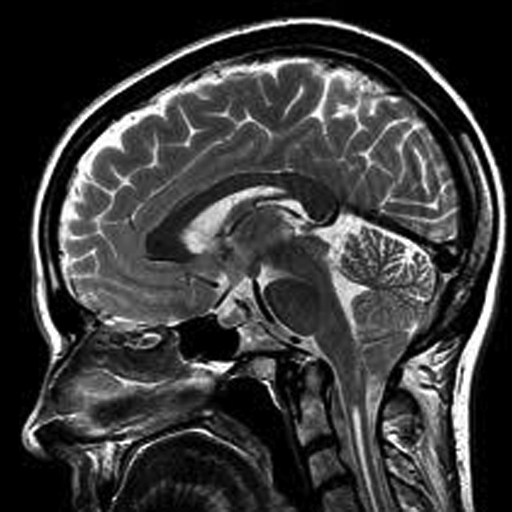
CLINICAL NEUROPHYSIOLOGY
MOTORBRAIN – APP
INTELLIGENCE – ACCELERATED
ROBOTICS
From clinical neurophysiology to artificial intelligence (augmented, extended, etc…) the transition may seem difficult. Still, the attraction and the incentive to do so, to pursue this goal, is stronger than any imaginable difficulty.
But why does artificial intelligence attract people’s attention or, conversely, even frighten them? Is it a competitor that might be too aggressive toward our intelligence? Is it a competitor that scares us because our “poor intelligence” could be quickly downgraded by a system (AI), the result of the best intelligence available on the planet? Conversely, do we believe that artificial intelligence is a mere mechanistic system, far from “our intelligence”, and therefore quickly snubbed?
Introspection as a tool for analyzing cognitive properties and functions can no longer have much value beyond the anecdotal and self-referential definition.
So what other tools do we have available to deepen our knowledge of the cognitive functions expressed by the human brain?
The technological development of very high-performance computing systems allows us to apply algorithms for learning and classifying data and complex, large-scale models.
“Deep learning” algorithms deal with highly complex problems, with increasingly promising results. According to Stephen Hawking, we do not yet have the technology necessary to produce and store the algorithm of the human mind but some, including Ray Kurzweil [http://www.kurzweilai.net/], estimates that this will be possible within twenty years or, as has always happened in forecasts of technological development, perhaps even earlier.
Alan Turing’s test has already been passed by several artificial systems for a conversation duration that can currently be up to 3 minutes. The test consists in testing the ability of a machine to respond to a series of questions in a natural way, as a human being would; the person taking the test is not told which is machine and which is human and if, after the test, he fails to distinguish artificial intelligence from human, the test is considered passed.
The MotorBrain application, available on mobile systems with “touch screen” interaction, allows you to test your motor performance (precision grip), follow any changes over time, and collect regulatory data from the population, adapted to the construction of a database of in-depth knowledge on some aspects of physiological aging of the motor system.